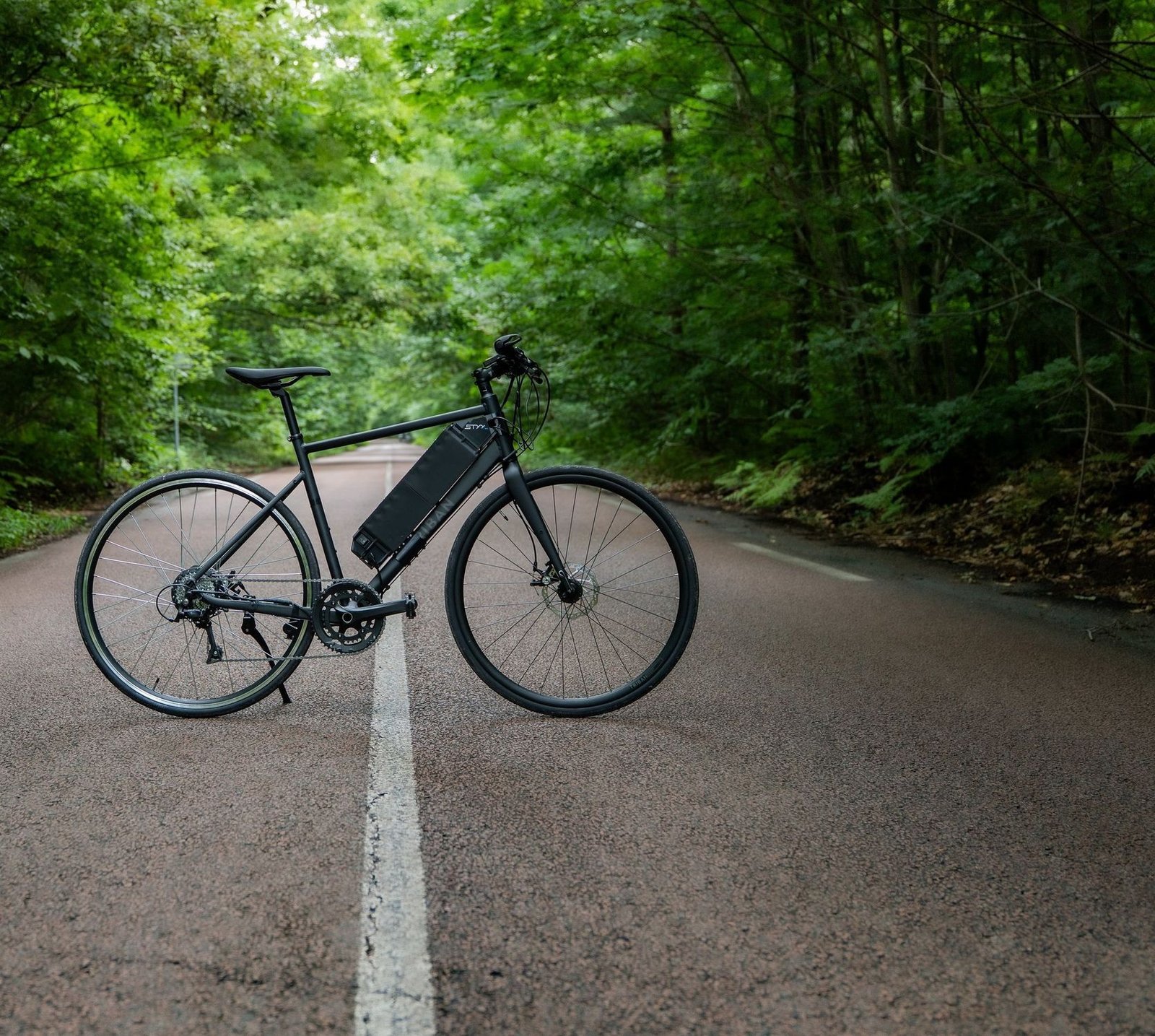
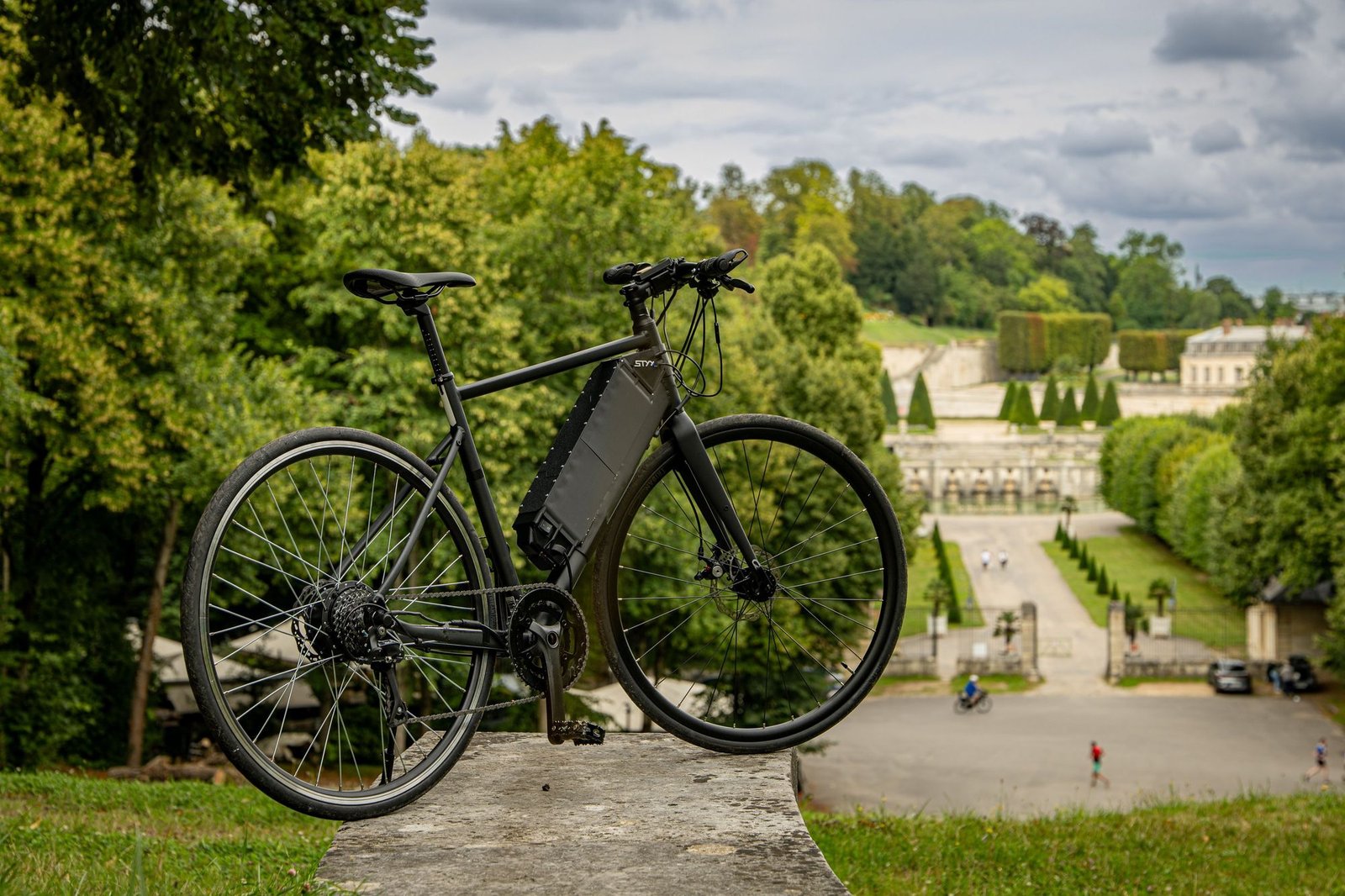
The Styx bike
When every descent pays you back on the way up.
“Styx does not try to replace the rider’s effort, but to make the most of it, so that every ride flows more smoothly and efficiently.”
How it works
The Styx bike recovers the energy normally lost when braking, through a motor that also works as a generator. That energy is stored in a supercapacitor pack, then given back during the hardest moments of pedalling, such as climbs and starts.
The motor works both ways: as a generator it recovers the bike’s kinetic energy when braking or riding downhill; as a motor it gives that energy back to assist pedalling. This lets the bike manage its energy in real time, with assistance that runs entirely on recovered energy, never plugged into a socket.
Compared with conventional batteries, the supercapacitors in Styx store less energy, but they make up for it with an exceptional lifespan: a very large number of charge and discharge cycles without significant wear. They are also kinder to the environment, needing neither lithium nor rare metals, and they are easier to recycle.
The dashboard
A digital control screen
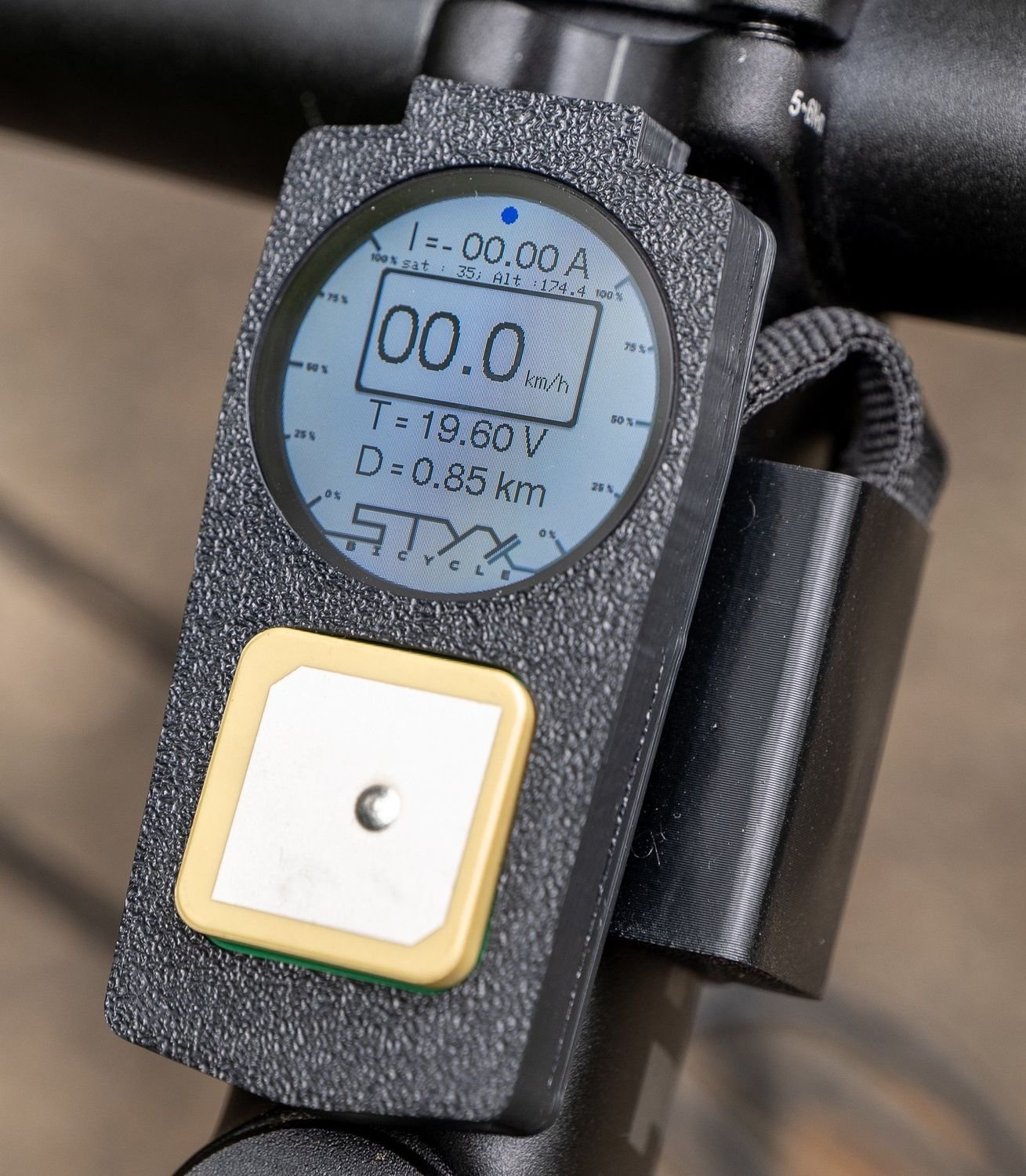
Mounted on the handlebar, the control interface is still in development, but it already shows where it is heading. Designed to be clear and simple, it will show the rider the essentials in real time, including:
- current speed;
- the energy stored in the supercapacitor pack;
- distance travelled;
- GPS status;
- altitude;
- braking and acceleration levels.
This screen will become the bike’s dashboard, giving the rider a full view of the ride and of how the energy is used.
Built-in GPS
The Styx bike carries a built-in GPS wired straight into the analysis system. Its job is to:
- record each ride precisely, to review it later in Styx Analyse;
- provide live information such as position and altitude.
The GPS is more than a navigation aid: it is part of the Styx system, helping to understand and make smarter use of the stored energy.
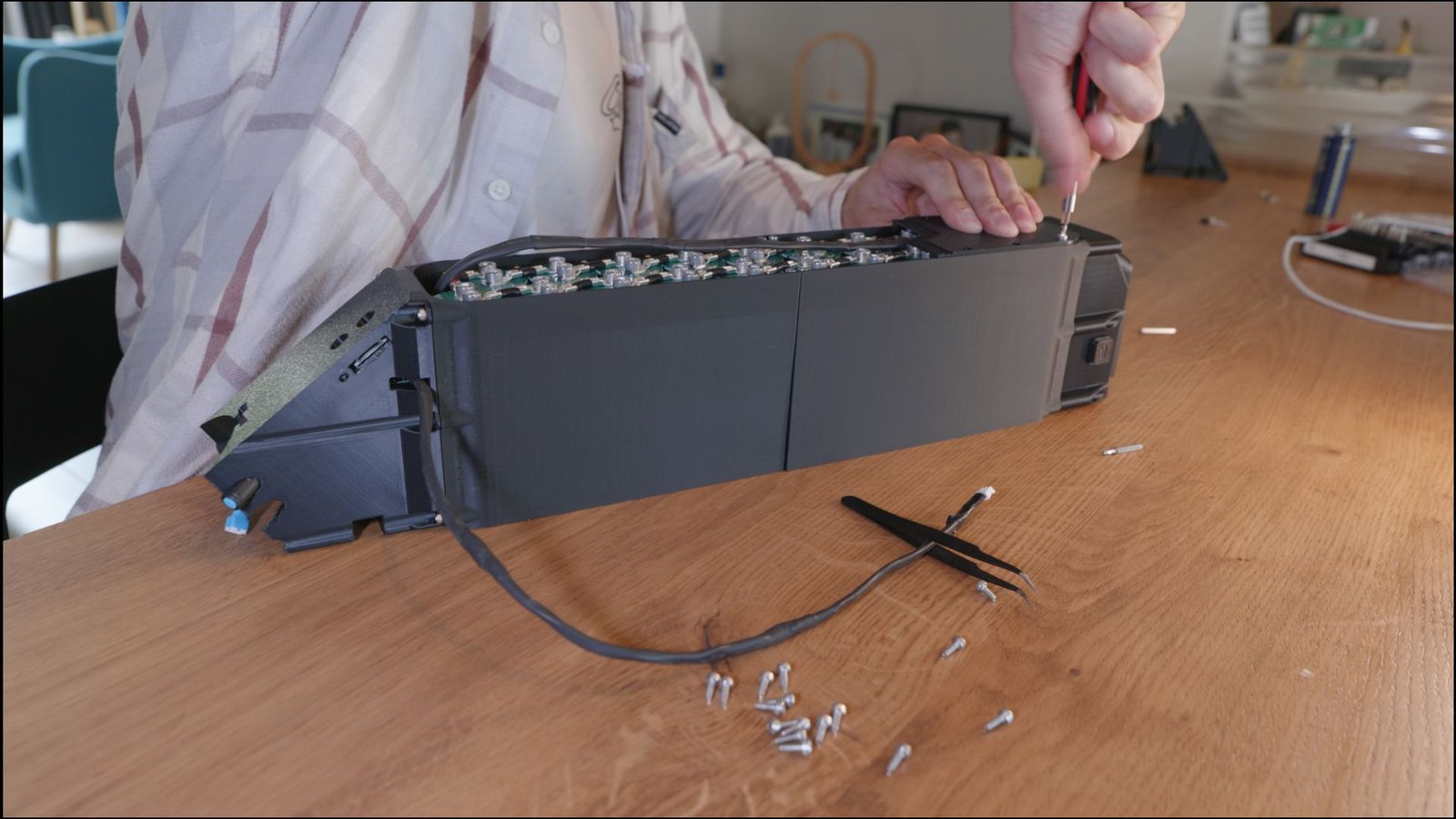
Inside the prototype
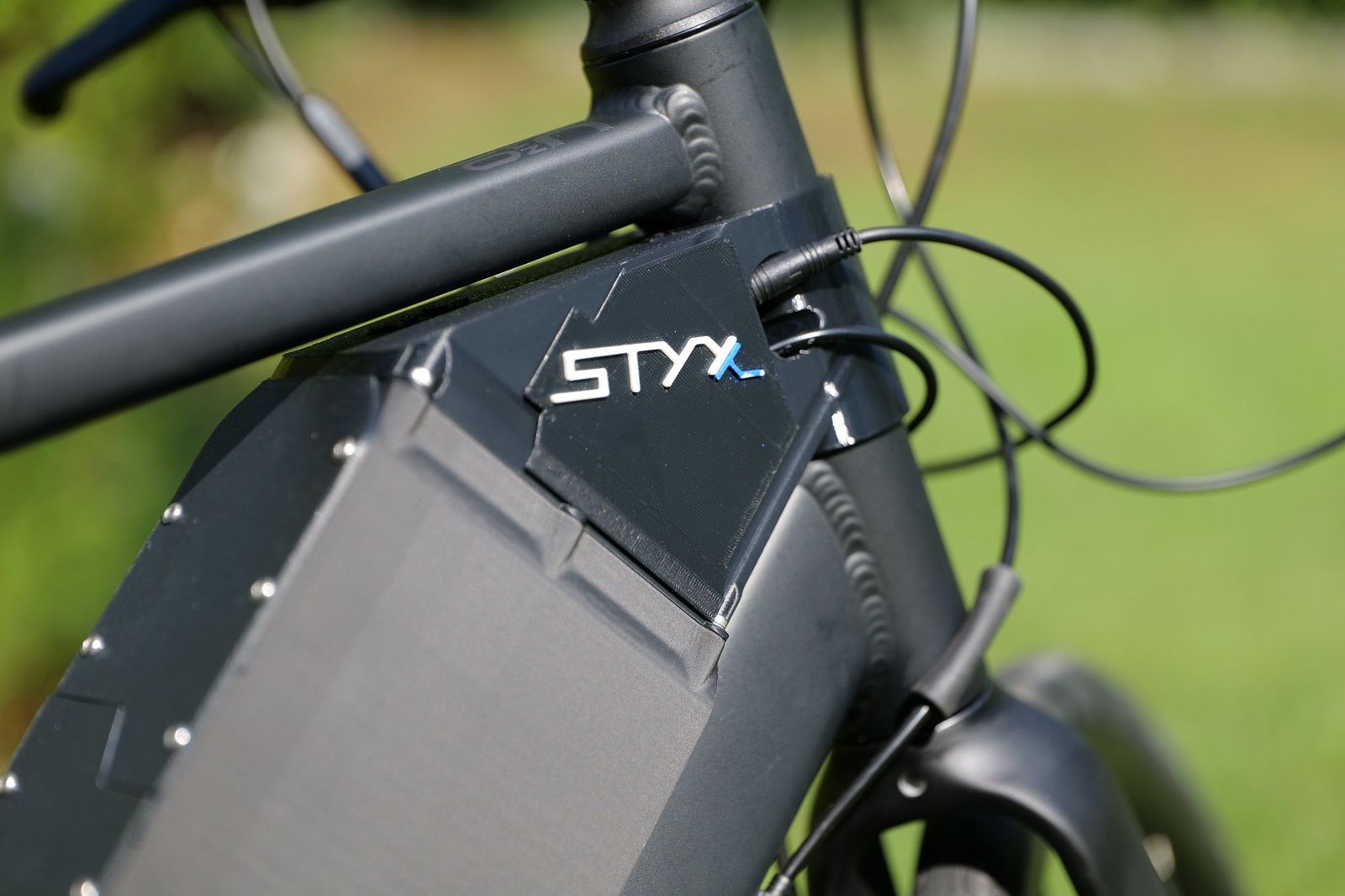
The supercapacitor pack
The Styx pack is more than an energy tank: it combines several connected subsystems that manage, protect and use that energy.
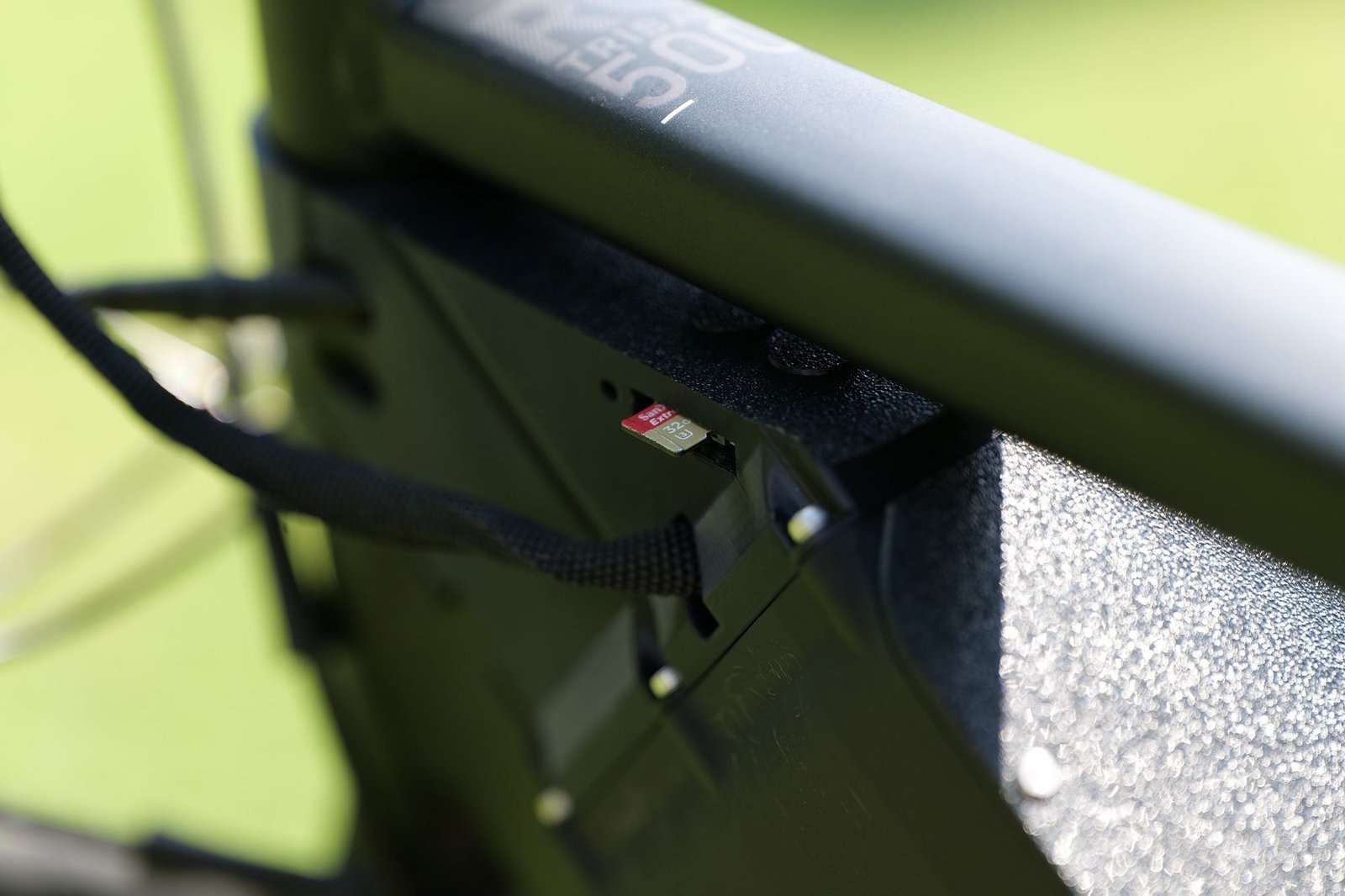
1. The analysis electronics. At the front of the pack, this is the bike’s “brain”. It collects the data from the sensors (torque, speed and more), processes it and turns it into a single signal for the motor controller. It also logs each ride to an SD card, so that its performance can be reviewed in Styx Analyse.
2. The storage module. In the middle of the pack sits the energy core: 20 supercapacitor cells, each protected by its own circuit against over-voltage, which also extends the system’s life. This module also carries the signals between the analysis and power electronics, with no wires showing outside.
3. The power electronics. At the back, they turn the stored energy into power for the electric motor. They also handle regenerative braking and the gradual recharging of the capacitors when slowing down, as the rider asks. The main power button, which switches the whole system on, is here too.
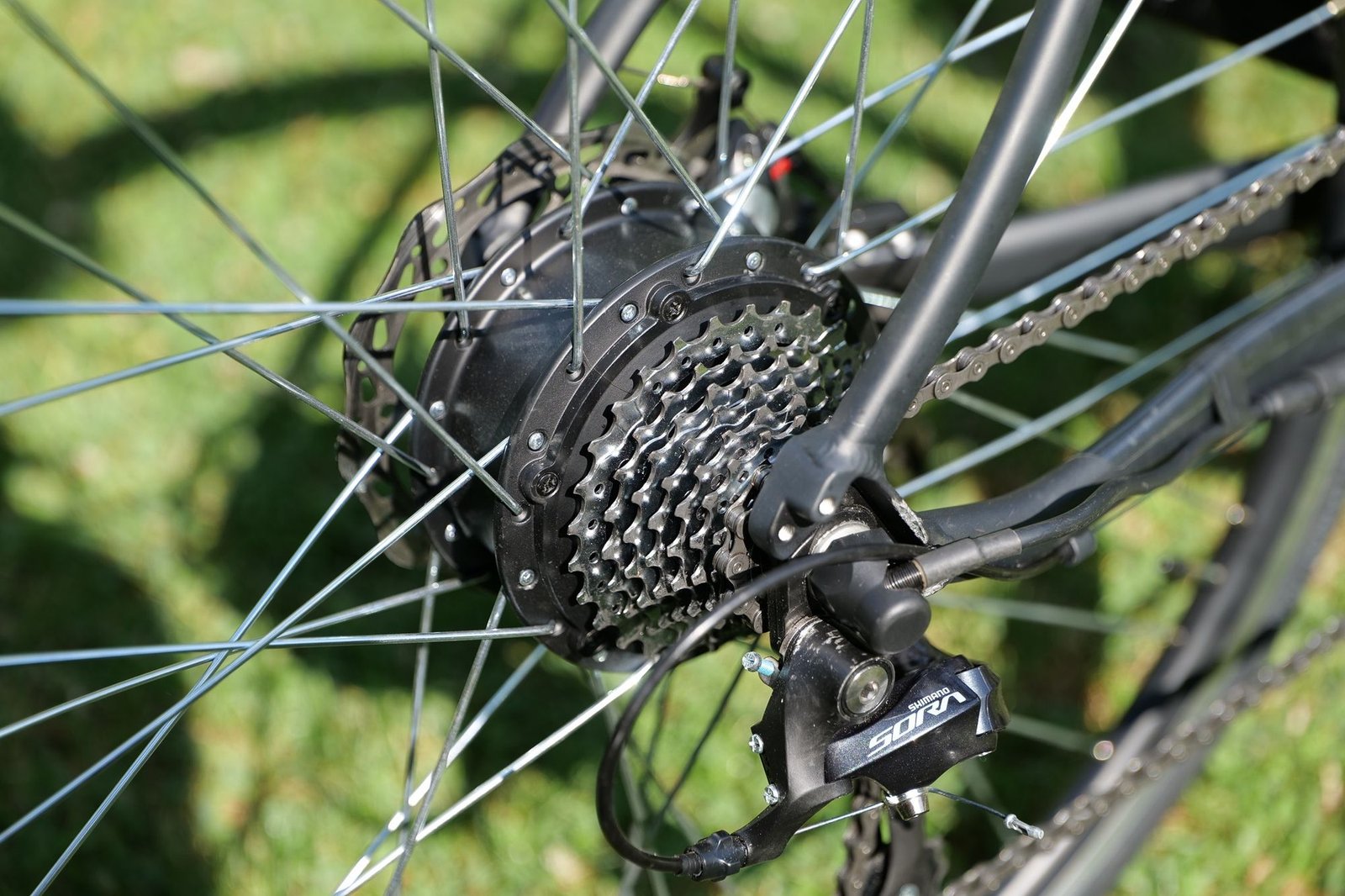
The motor-generator
Built into the rear wheel, it does two jobs: assisting the pedalling or recovering energy. When a brake is pulled, it switches to generator mode and slows the bike down gradually while producing energy that goes into the supercapacitors. When the throttle trigger is used, it gives that energy back to help the rider.
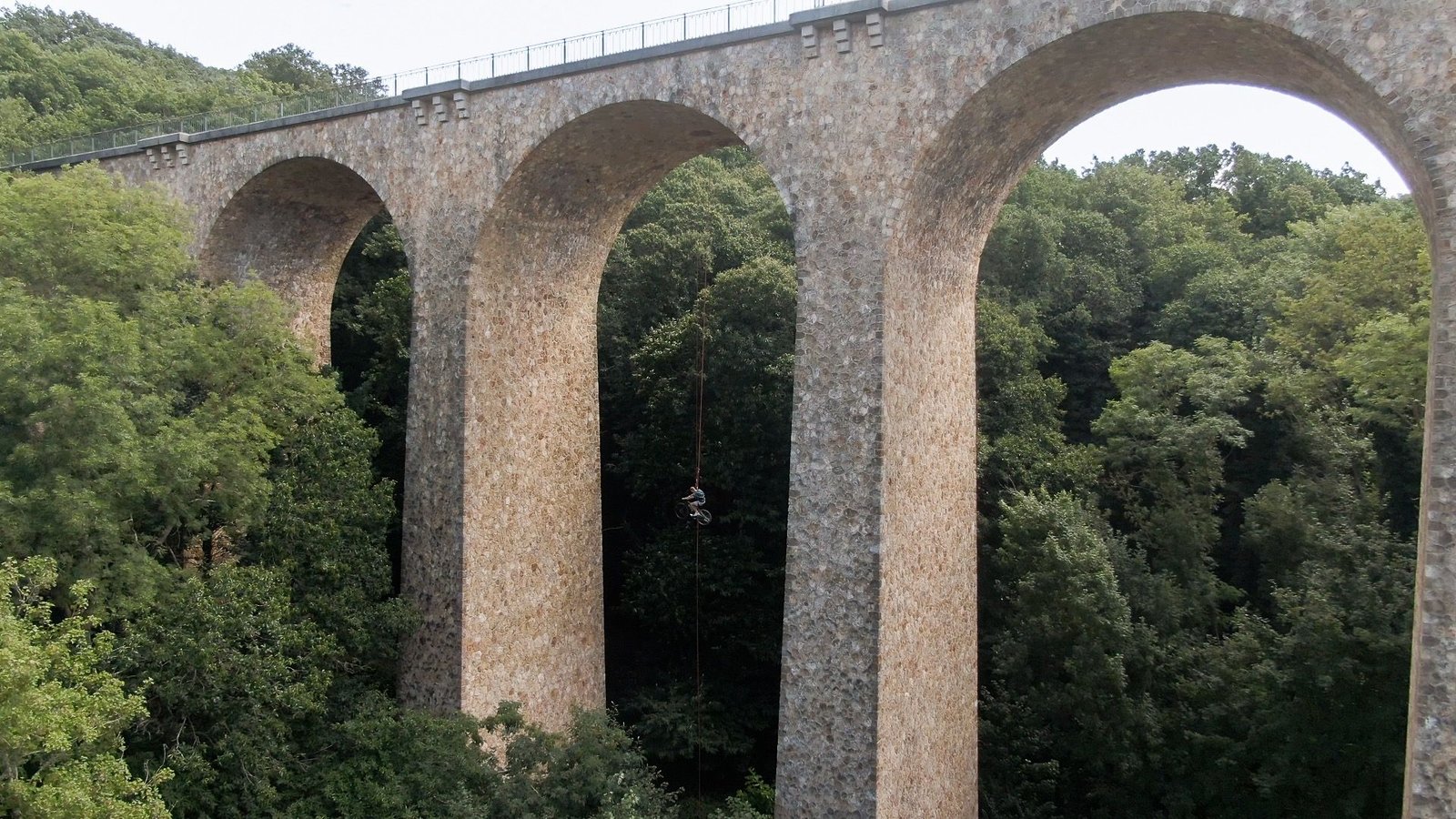
Styx in action